
Beginner vs Couture Sewing: What’s the Real Difference?

Many people start sewing with simple projects — skirts, tops, or basic dresses. At this stage, the goal is usually clear: learn how to assemble a garment.
But when you look at couture wedding or evening gowns, it becomes obvious that something is different.
Not just the fabric. Not just the design. But the way the garment is constructed.
So what exactly separates beginner sewing from couture dressmaking?
Beginner Sewing: Learning to Assemble a Garment
Beginner sewing focuses on the fundamentals:
using commercial patterns
following step-by-step instructions
sewing basic seams
understanding fabric handling
The goal is to create something wearable.
At this stage:
patterns are pre-made
construction is simplified
fit is approximate
structure is minimal
This approach is essential — it builds confidence and technical skills.

Couture Sewing: Engineering the Garment
Couture sewing operates on a completely different level.
Instead of assembling a garment, you are building a system.
A couture piece is:
designed for a specific body
constructed from the inside out
supported by internal structure
refined through multiple fittings
The goal is not just appearance — it’s control over shape, fit, and behavior.

The Core Difference: Decoration vs Construction
The biggest shift between beginner and couture sewing is this:
Beginner sewing focuses on what you see. Couture focuses on what you don’t see.
A beginner may think:
“This dress looks structured because of the fabric.”
A couture dressmaker knows:
structure comes from internal systems like corsets, boning, and pattern engineering
If you want to explore this deeper, understanding how to make a corset for a dress is one of the most important steps toward couture-level construction.
Patterns: Following vs Creating
In beginner sewing:
patterns are fixed
adjustments are minimal
the goal is to follow instructions
In couture:
patterns are created from scratch
every line is intentional
shapes are engineered, not guessed
This is where true control begins.
Learning couture patternmaking allows you to:
design silhouettes instead of copying them
adjust proportions precisely
create garments that actually fit the body

Fit: Approximate vs Precise
Fit is one of the clearest differences between the two approaches.
Beginner sewing:
relies on standard sizes
uses basic adjustments
often fits well only in certain areas
Couture sewing:
is fully customized
refined through fittings
balanced across the entire body
A couture garment must fit perfectly from every angle — not just when standing still, but also in motion.

Structure: Optional vs Essential
In beginner projects, structure is often optional.
In couture, it is everything.
For example:
strapless dresses require internal support
fitted bodices rely on boning
complex silhouettes need engineered foundations
Without structure, the garment cannot perform.
To understand how this works in practice, studying types of boning in corsets and how they affect shape is essential.
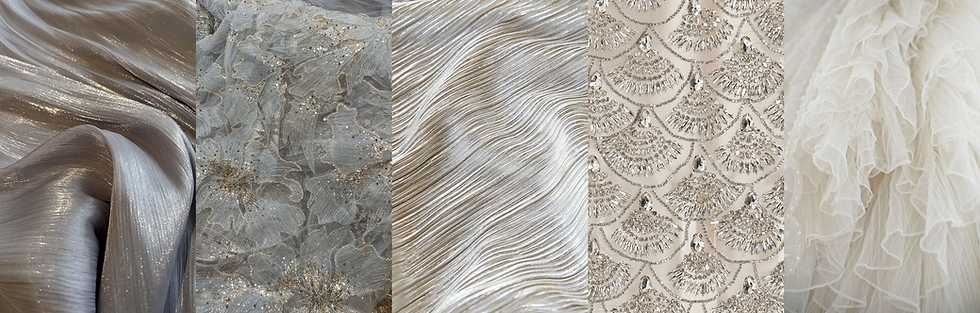
Fabrics: Appearance vs Behavior
Beginners often choose fabric based on how it looks.
In couture, fabric is chosen based on how it behaves.
You must consider:
weight
drape
stretch
interaction with structure
For example:
chiffon moves beautifully but cannot support shape
satin looks luxurious but reveals every imperfection
lace must be integrated into construction, not just applied
This is why learning how to work with delicate fabrics is a key step toward professional results.
Techniques: Basic vs Refined
Beginner sewing focuses on:
straight seams
basic finishes
machine construction
Couture sewing includes:
clean internal finishes
invisible seams
hand stitching
layered construction systems
These techniques are what make a garment look polished — both inside and out.
If you want to see the difference, explore clean finishes in couture sewing and how professionals approach internal construction.
Mistakes That Reveal the Difference
When beginners attempt couture-style garments, the same issues appear:
relying on fabric instead of structure
skipping internal layers
using simplified patterns
ignoring fit refinement
rushing finishing details
The result is often a dress that looks good in photos — but fails in real life.

Can a Beginner Learn Couture Sewing?
Yes — but not by jumping straight into complex dresses.
Couture is not about talent. It’s about understanding systems.
The most effective path looks like this:
1. Master the basics
Clean seams, accuracy, and control
2. Learn structure
Corsets and internal support systems
3. Study patternmaking
This is where real transformation happens
4. Practice with real materials
Skill develops through repetition
If you're starting your journey, a structured approach like how to learn sewing online can help you avoid common mistakes and progress faster.
Why This Difference Matters
Understanding the difference between beginner and couture sewing changes how you approach every project.
You stop:
guessing
simplifying
relying on shortcuts
And you start:
planning
constructing
controlling the outcome
Final Thoughts
Beginner sewing teaches you how to make a garment.
Couture sewing teaches you how to build one.
This shift — from assembly to construction — is what defines professional-level dressmaking, especially in wedding and evening wear.
Once you understand it, everything changes:
your approach
your results
your confidence
Ready to Go Beyond Beginner Sewing?
If you want to move from basic sewing to structured, couture-level garments, focus on the skills that truly matter:
corset construction
patternmaking
fabric control
internal finishing
At Dressmaking Academy, you can learn these techniques step by step — and start creating garments that don’t just look beautiful, but are built to perform.


